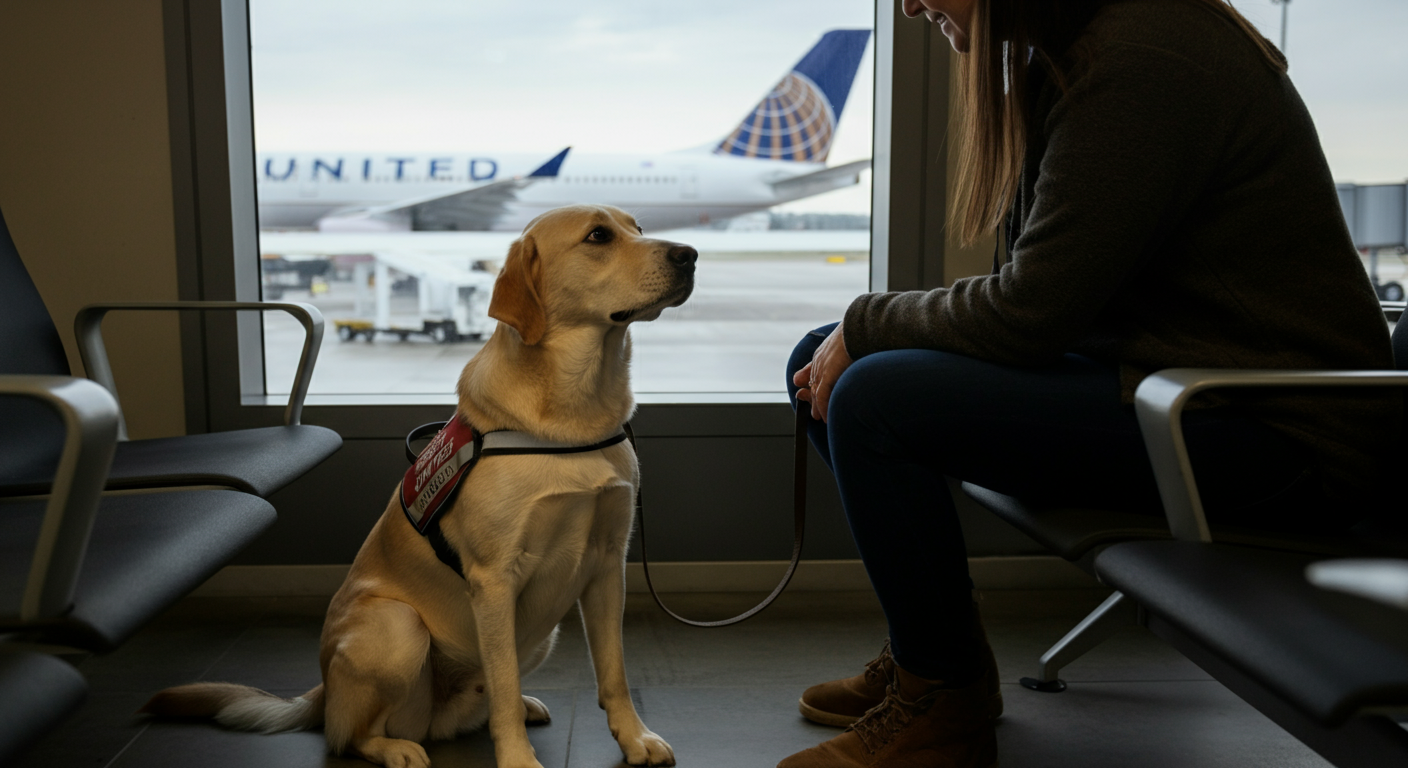
United Airlines Pet Policy: A Comprehensive Guide for ESAs and Service Animals
Traveling with your beloved animal companion can be a source of joy, but navigating airline pet policies, especially for Emotional Support Animals (ESAs) and Service Animals, requires careful planning. United Airlines, like all major carriers, has specific guidelines designed to ensure the safety and comfort of all passengers. This comprehensive guide will walk you through United's policies, helping you prepare for a smooth journey with your service animal or pet.
Understanding the Key Distinctions: Service Animals vs. ESAs
Before delving into United's specific rules, it's crucial to understand the legal and operational differences between service animals and emotional support animals, particularly in the context of air travel.
- Service Animals: Under the Air Carrier Access Act (ACAA) and Department of Transportation (DOT) regulations, a service animal is defined as a dog, regardless of breed or type, that is individually trained to do work or perform tasks for the benefit of a qualified individual with a disability. This includes physical, sensory, psychiatric, intellectual, or other mental disabilities. Service animals are generally permitted to fly in the cabin free of charge.
- Emotional Support Animals (ESAs): Following a significant DOT ruling in December 2020, emotional support animals are no longer considered service animals under the ACAA. This means airlines are no longer required to accommodate ESAs in the cabin free of charge. United Airlines now treats ESAs as standard pets, subject to their pet travel policies and associated fees.
Service Animals on United Airlines
United Airlines is committed to accommodating passengers with disabilities traveling with service animals. To ensure a hassle-free experience, here's what you need to know:
Required Documentation: The DOT Service Animal Air Transportation Form
For all service animals, United Airlines requires passengers to complete and submit the U.S. Department of Transportation (DOT) Service Animal Air Transportation Form. This form attests to the animal's training, behavior, and health. It's highly recommended to submit this form at least 48 hours before your flight, though it can be presented at the airport.
In-Cabin Travel Requirements:
- Training and Behavior: Your service animal must be well-behaved and under your control at all times. It must not pose a direct threat to the health or safety of others or cause significant disruption in the cabin.
- Placement: The service animal must fit at your feet or under the seat in front of you without encroaching on another passenger's space or blocking the aisle. It cannot occupy a seat.
- Tethering: The animal must be harnessed, leashed, or otherwise tethered at all times.
- Number of Animals: A passenger with a disability may travel with up to two service animals.
Specific Breeds and Size Limitations:
United does not impose breed restrictions for service animals. However, if an animal is too large to fit at the handler's feet without infringing on others, alternative arrangements may be necessary, such as purchasing an additional seat (if available) or, as a last resort, transporting the animal in cargo if it meets all other requirements.
Traveling with Pets (Including Former ESAs) on United Airlines
If your animal is not a service animal (e.g., a pet or a former ESA), it will fall under United's pet travel policy. United offers in-cabin and cargo travel options for pets, each with its own set of rules and fees.
In-Cabin Pets:
- Carrier Requirements: Your pet must travel in a USDA-approved pet carrier that fits completely under the seat in front of you. The carrier counts as your one carry-on item.
- Size and Weight: There are restrictions on the size and weight of the pet and carrier combined.
- Fees: A fee applies for in-cabin pets.
- Reservations: Pet travel in the cabin is subject to availability and must be booked in advance.
Cargo Travel (PetSafe Program):
For larger animals or those not meeting in-cabin requirements, United's PetSafe program offers cargo transportation. This program has specific requirements for kennels, health certificates, and weather restrictions. It's crucial to review the PetSafe program details thoroughly on United's official website.
Essential Tips for a Smooth Journey
- Book Early: Space for in-cabin pets is limited. Book your flight and register your pet as early as possible.
- Visit Your Vet: Ensure your animal is healthy and up-to-date on all vaccinations. Obtain a health certificate if required (especially for cargo travel or international flights).
- Prepare Documentation: Have all necessary forms (DOT form for service animals, health certificates for pets) readily accessible.
- Acclimate Your Animal: If traveling with a pet in a carrier, help them get comfortable with the carrier before the trip.
- Exercise Before Flight: Give your animal plenty of exercise before heading to the airport to help them relax during the flight.
- Arrive Early: Allow ample time at the airport for check-in and security procedures, especially when traveling with an animal.
Conclusion
Understanding and adhering to United Airlines' pet and service animal policies is key to a stress-free travel experience. By preparing in advance, completing the necessary documentation, and being aware of the distinctions between service animals and ESAs, you can ensure a comfortable and safe journey for both you and your animal companion. Always refer to the official United Airlines website for the most current and detailed information.