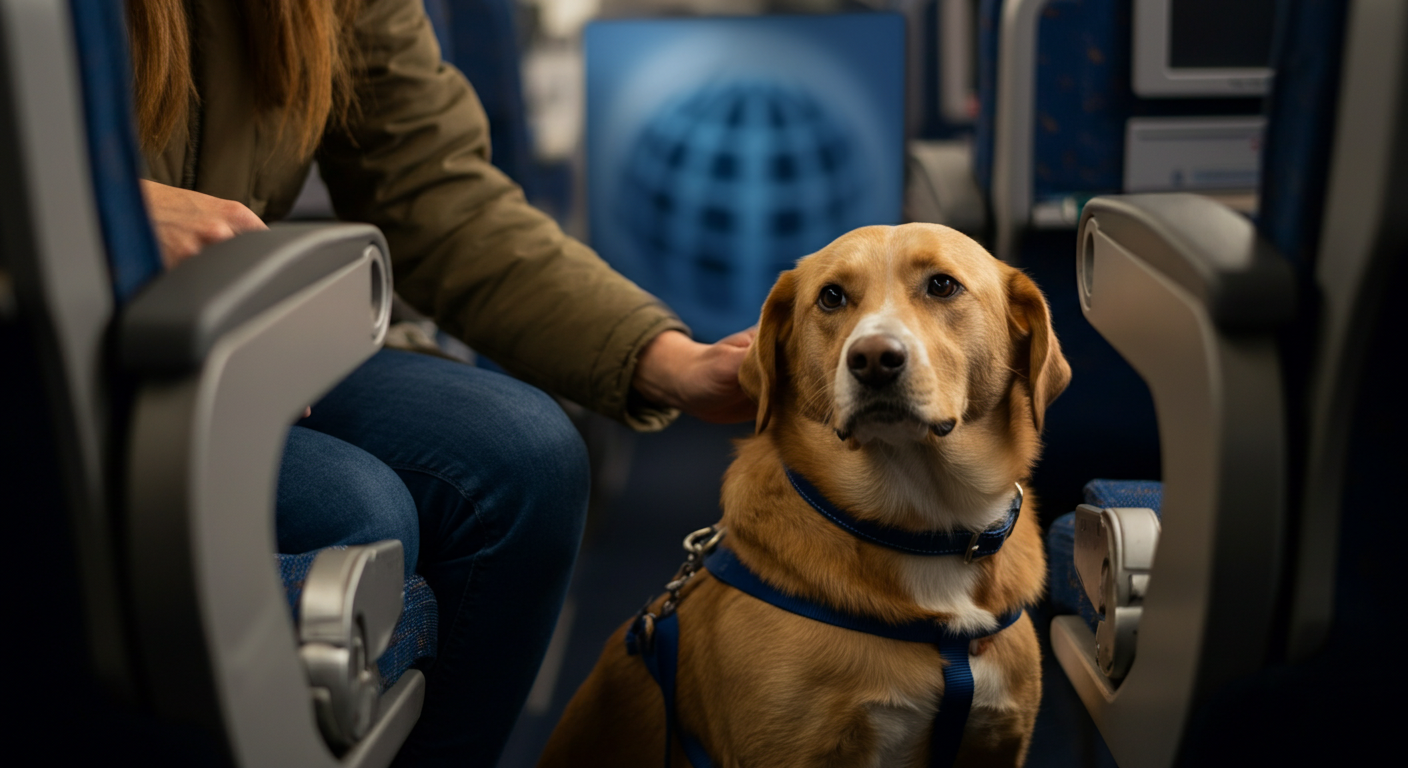
United Airlines Pet Policy: Navigating Travel with Emotional Support and Service Animals in 2026
Traveling with your beloved emotional support animal (ESA) or service animal can be a seamless experience, provided you are well-informed about airline policies. As of 2026, United Airlines, like many major carriers, has specific guidelines in place to ensure the safety and comfort of all passengers. Clinical Support Animals is here to help you understand these regulations and prepare for a smooth journey with your animal companion.
Understanding the Difference: Service Animals vs. Emotional Support Animals
Before delving into United Airlines' specific policies, it's crucial to distinguish between service animals and emotional support animals, as their regulations differ significantly.
- Service Animals: These are dogs individually trained to do work or perform tasks for the benefit of an individual with a disability. This includes physical, sensory, psychiatric, intellectual, or other mental disabilities. Service animals are generally allowed to accompany their handlers in the cabin without charge.
- Emotional Support Animals (ESAs): ESAs provide comfort and support through their presence, alleviating symptoms of a mental or emotional disability. While invaluable to their owners, ESAs are no longer recognized as service animals under the Air Carrier Access Act (ACAA) by the Department of Transportation (DOT). This means they are typically treated as pets by airlines.
United Airlines Policy for Service Animals
United Airlines adheres to the Department of Transportation's (DOT) regulations regarding service animals. Qualified service animals are welcome to fly in the cabin with their handlers free of charge, provided they meet certain criteria.
Key Requirements for Service Animals on United Airlines:
- DOT Service Animal Air Transportation Form: You will need to complete and submit the U.S. Department of Transportation Service Animal Air Transportation Form. This form attests to the animal's health, training, and behavior.
- Animal Behavior: Service animals must be well-behaved and under the control of their handler at all times. They should not pose a direct threat to the health or safety of others, or cause significant disruption in the cabin or at the airport.
- Harness, Leash, or Tether: Your service animal must be harnessed, leashed, or tethered at all times while in the airport and on board the aircraft.
- Space: The service animal must fit in the handler's foot space or under the seat in front of them without encroaching on another passenger's space or blocking an aisle. If the animal is too large, United may offer alternative seating or require the animal to travel in the cargo hold as a pet (at an additional cost).
- Number of Service Animals: A passenger with a disability may travel with up to two service animals.
It is highly recommended to submit the DOT form at least 48 hours before your flight. However, United Airlines will accept the form at the gate if necessary.
United Airlines Policy for Emotional Support Animals (ESAs)
Following the DOT's updated regulations, United Airlines now classifies emotional support animals as pets. This means that if you wish to travel with your ESA, they will need to meet United's standard pet travel requirements and associated fees.
Traveling with an ESA as a Pet on United Airlines:
- In-Cabin Pets: Small dogs and cats that can fit in a carrier under the seat in front of you may be allowed in the cabin. There are size and weight restrictions for the carrier and the animal. A fee will apply.
- Cargo Travel: Larger animals, or those that do not meet in-cabin requirements, may be transported in the cargo hold, subject to specific temperature, breed, and health restrictions. This also incurs a fee.
- Health Certificates: All pets traveling with United Airlines, whether in-cabin or cargo, will require a health certificate issued by a licensed veterinarian within a specific timeframe before travel.
- Reservations: It is crucial to make reservations for your pet in advance, as there are limits to the number of pets allowed on each flight.
For the most up-to-date and detailed information on pet travel, including fees and restrictions, always consult the official United Airlines website or contact their customer service directly.
Tips for a Smooth Journey with Your Animal Companion
Regardless of whether you're traveling with a service animal or an ESA (as a pet), preparation is key to a stress-free trip:
- Early Arrival: Arrive at the airport well in advance to allow ample time for check-in, security, and any last-minute animal needs.
- Potty Breaks: Ensure your animal has had a chance to relieve themselves before boarding. Many airports offer designated pet relief areas.
- Comfort Items: Bring familiar toys, blankets, or treats to help keep your animal calm and comfortable during the flight.
- Hydration: Offer water before and after the flight. For service animals in the cabin, a collapsible bowl can be useful.
- Identification: Ensure your animal has proper identification tags and that their carrier (if applicable) is clearly labeled.
- Veterinary Check-up: Schedule a vet visit before your trip to ensure your animal is healthy and up-to-date on all vaccinations.
Clinical Support Animals: Your Partner in Certification
At Clinical Support Animals, we understand the profound bond between humans and animals. While ESA regulations have changed for air travel, we continue to provide legitimate and legally compliant documentation for emotional support animals for housing and other situations where they are recognized. For service animals, we can guide you through understanding the requirements for proper documentation and training resources.
Navigating airline policies can be complex, but with the right information and preparation, you and your animal companion can enjoy safe and comfortable travels. Always refer to United Airlines' official website for the latest updates, and remember that Clinical Support Animals is here to support your needs for certified emotional support and service animal documentation.