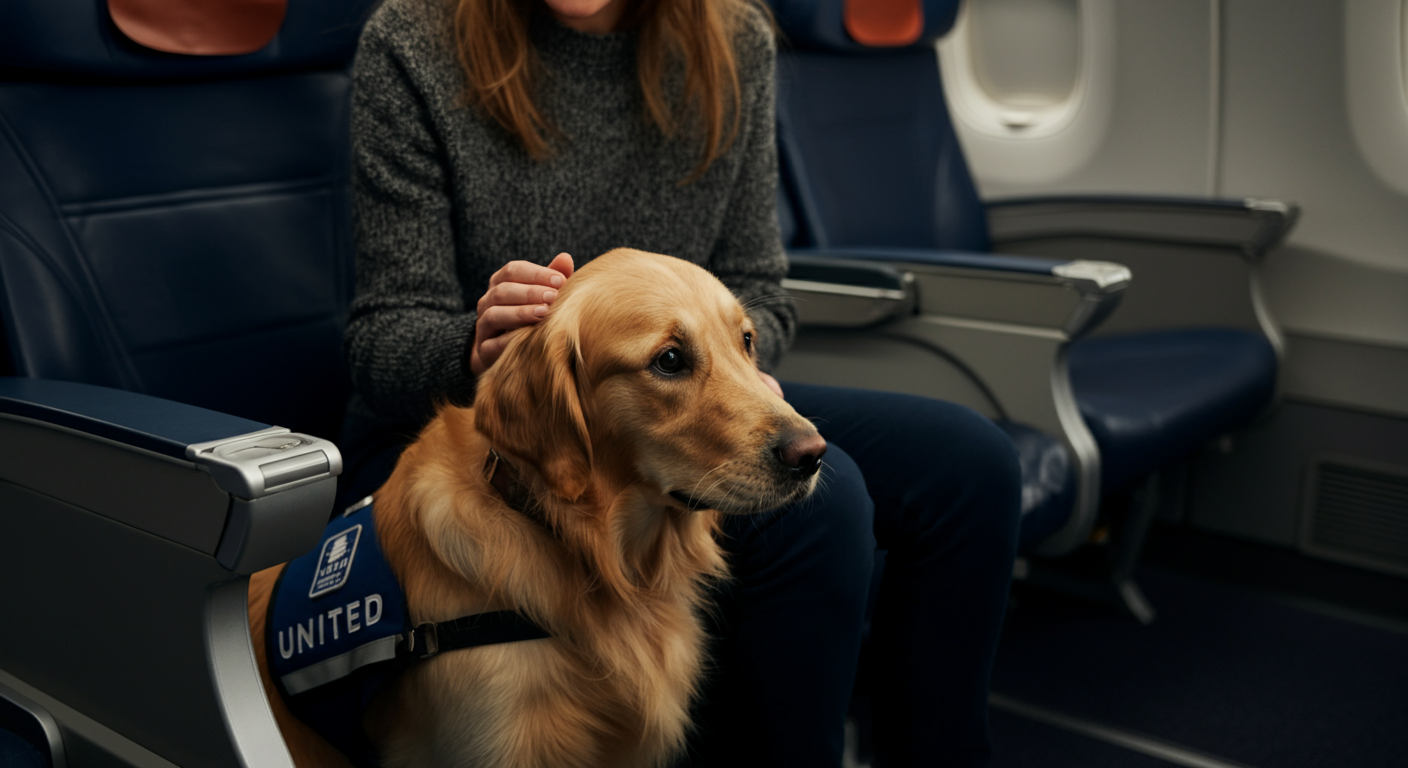
Navigating United Airlines' Pet Policy for Emotional Support and Service Animals
Traveling with your emotional support animal (ESA) or service animal can be a complex process, especially with varying airline policies. United Airlines, like many carriers, has specific guidelines to ensure the safety and comfort of all passengers. Understanding these policies is crucial for a smooth journey with your animal companion.
Understanding the Distinction: Service Animals vs. Emotional Support Animals
Before delving into United's specific rules, it's important to differentiate between service animals and emotional support animals, as their regulations often differ significantly.
- Service Animals: These are dogs individually trained to do work or perform tasks for the benefit of an individual with a disability. The task(s) performed by the animal must be directly related to the individual's disability. Under the Air Carrier Access Act (ACAA), airlines are generally required to permit service animals to accompany their handlers in the cabin.
- Emotional Support Animals (ESAs): ESAs provide comfort and support to individuals with mental or emotional disabilities, but they are not trained to perform specific tasks. While ESAs were previously allowed to travel in the cabin under the ACAA, regulations have changed. Many airlines now treat ESAs as pets, requiring them to travel in a carrier or as cargo, with associated fees.
United Airlines' Current Policy on Service Animals
United Airlines adheres to the Department of Transportation's (DOT) rules regarding service animals. Qualified service animals are welcome to fly in the cabin with their handlers free of charge, provided they meet certain requirements.
Key Requirements for Service Animals on United:
- DOT Service Animal Air Transportation Form: You will need to complete and submit the U.S. Department of Transportation Service Animal Air Transportation Form. This form attests to the animal's health, training, and behavior.
- DOT Service Animal Relief Attestation Form (for flights 8+ hours): For flights scheduled to take 8 hours or more, you must also complete and submit the U.S. Department of Transportation Service Animal Relief Attestation Form, confirming that the animal will not need to relieve itself or can do so in a way that does not create a health or sanitation issue.
- Animal Behavior: Service animals must be well-behaved and under the control of their handler at all times. Animals that display disruptive behavior (e.g., barking, growling, jumping on others, relieving themselves in the cabin) may be denied boarding or required to travel as a pet.
- Size and Space: The service animal must fit at the handler's feet, under the seat, or in the handler's lap (if it is no larger than a lap infant) without encroaching on another passenger's space or blocking the aisle.
- Tethering: The animal must be leashed or tethered at all times.
It is highly recommended to submit the required forms to United Airlines' accessibility desk at least 48 hours before your flight. This allows the airline to review the documentation and address any potential issues in advance.
United Airlines' Policy on Emotional Support Animals (ESAs)
Following changes in DOT regulations, United Airlines no longer recognizes emotional support animals as service animals. This means that ESAs are now treated as pets and must adhere to United's standard pet travel policies.
Traveling with an ESA as a Pet on United:
- In-Cabin Pets: Small dogs and cats that meet specific size and weight requirements can travel in the cabin in an approved pet carrier that fits under the seat in front of you. A fee will apply.
- Cargo Pets: Larger animals or those that do not meet in-cabin requirements may be able to travel as cargo through United's PetSafe program. This program has specific temperature restrictions and breed limitations.
- Fees: Standard pet travel fees will apply for ESAs traveling as pets, whether in-cabin or as cargo.
If you plan to travel with your ESA, it is essential to review United's pet policy thoroughly and make arrangements well in advance. Be prepared for potential fees and restrictions.
Tips for a Smooth Journey with Your Animal
- Book Early: Pet and service animal space can be limited, especially in the cabin. Book your flight and make arrangements for your animal as early as possible.
- Verify Documentation: Double-check all required forms and documentation. Ensure they are correctly filled out and submitted within the airline's deadlines.
- Prepare Your Animal: Acclimate your animal to its carrier (if applicable) and ensure it is comfortable in public settings. Consider a "practice run" to a busy place before your travel date.
- Potty Breaks: Plan for adequate potty breaks before and after your flight. Research airport pet relief areas at your departure, layover, and arrival airports.
- Consult Your Veterinarian: Discuss travel plans with your vet to ensure your animal is healthy enough to fly and to get any necessary health certificates or medications.
Traveling with your service animal or emotional support animal requires careful planning and adherence to airline policies. By understanding United Airlines' specific guidelines and preparing accordingly, you can help ensure a stress-free and enjoyable journey for both you and your animal companion.