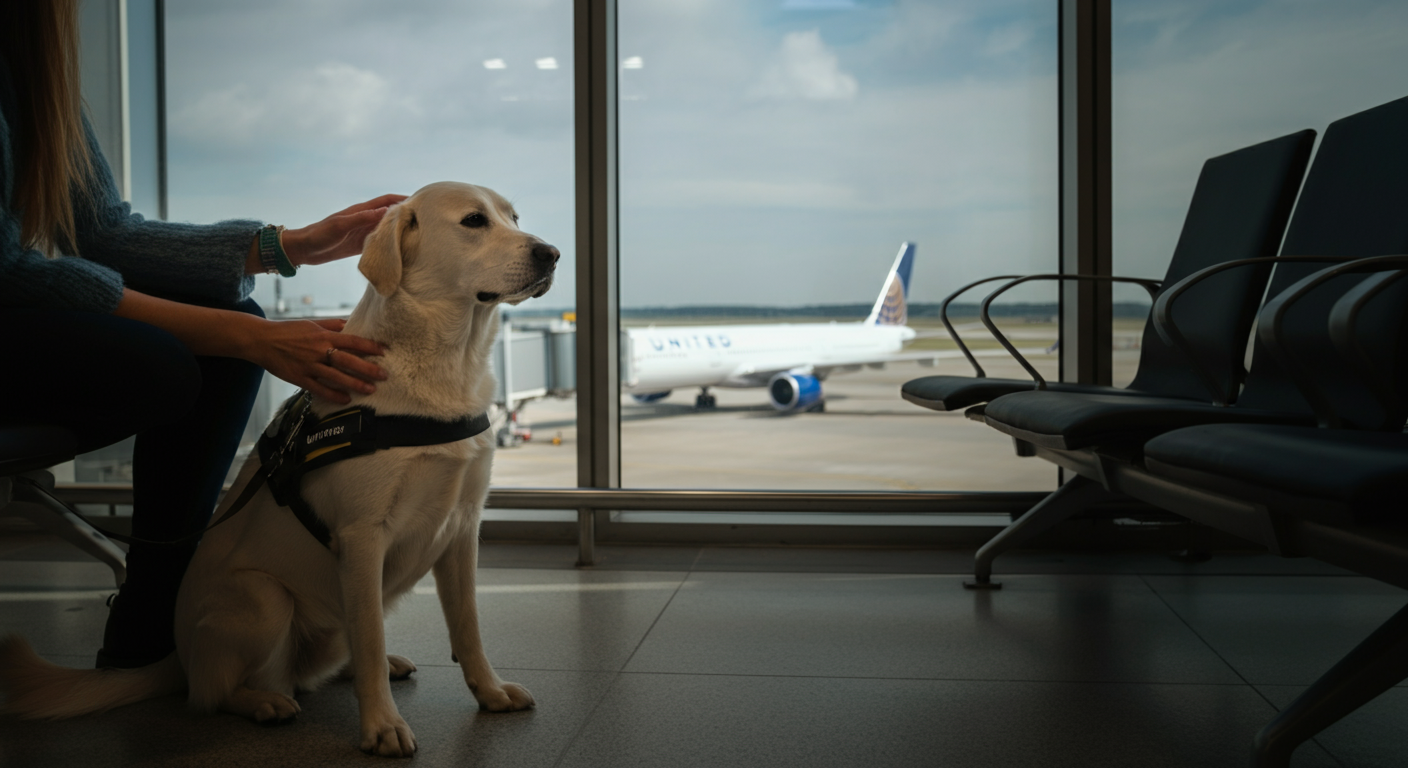
United Airlines Pet Policy for Emotional Support Animals and Service Animals (2026 Guide)
Navigating air travel with an emotional support animal (ESA) or a service animal can be complex, especially with evolving airline regulations. Clinical Support Animals (CSA) is here to provide clarity and ensure you have the correct documentation for a smooth journey. This comprehensive guide details United Airlines' current pet policy for ESAs and service animals as of 2026.
Understanding the Distinction: ESA vs. Service Animal
Before delving into United's policy, it's crucial to understand the difference between an Emotional Support Animal (ESA) and a Service Animal. This distinction significantly impacts how they are accommodated by airlines.
- Service Animals: These are dogs (and in some cases, miniature horses) individually trained to do work or perform tasks for the benefit of an individual with a disability. Their tasks must be directly related to the person's disability. Under the Air Carrier Access Act (ACAA), legitimate service animals are generally permitted to fly in the cabin free of charge.
- Emotional Support Animals (ESAs): ESAs provide comfort and support through their presence, alleviating symptoms of a mental or emotional disability. Unlike service animals, ESAs are not required to have specific task training. Due to recent changes in regulations, most airlines, including United, no longer recognize ESAs as service animals under the ACAA.
United Airlines' Current Policy on Emotional Support Animals (ESAs)
As of 2026, United Airlines, like many other major carriers, has updated its policy regarding emotional support animals. Following the Department of Transportation's (DOT) final rule on traveling with service animals, United Airlines no longer recognizes emotional support animals as service animals. This means:
- ESAs are generally treated as pets: If you wish to travel with your ESA, it will likely need to meet United's standard pet travel requirements. This typically involves paying a pet fee and ensuring your animal fits in an approved pet carrier that can be stowed under the seat in front of you.
- Breed and size restrictions apply: United has specific rules regarding the breed and size of animals allowed in the cabin or as checked baggage. It's imperative to check these restrictions well in advance of your flight.
- Health and vaccination records: All pets traveling with United must have up-to-date health certificates and vaccination records.
Recommendation: If you plan to travel with an ESA, contact United Airlines directly to confirm their latest pet policy and any associated fees or restrictions. Ensure all necessary veterinary paperwork is in order.
United Airlines' Policy on Service Animals
United Airlines is committed to complying with the Air Carrier Access Act (ACAA) regarding legitimate service animals. Qualified individuals with disabilities may travel with their service animals in the cabin, provided certain conditions are met:
- Definition of a Service Animal: United adheres to the DOT's definition: a dog, regardless of breed or type, that is individually trained to do work or perform tasks for the benefit of a qualified individual with a disability.
- Required Documentation: Passengers traveling with a service animal must complete and submit the U.S. Department of Transportation (DOT) Service Animal Air Transportation Form. This form attests to the animal's health, training, and behavior. It must be submitted to United Airlines at least 48 hours before travel, or at the gate if the reservation is made within 48 hours.
- Animal Behavior: Service animals must be well-behaved and under the control of their handler at all times. They must not pose a direct threat to the health or safety of others, or cause a significant disruption in the cabin or airport.
- Placement in Cabin: The service animal must fit at the passenger's feet, under the seat, or in the passenger's lap (if it is no larger than a lap infant). The animal cannot obstruct the aisle or other emergency exit areas.
- Number of Service Animals: A passenger with a disability may travel with up to two service animals.
How Clinical Support Animals Can Help
While ESAs are no longer granted the same travel accommodations as service animals, Clinical Support Animals remains dedicated to assisting individuals in understanding their rights and obtaining proper documentation for their support animals. We specialize in:
- Certified Documentation: For those seeking legitimate service animal documentation, our network of licensed mental health professionals can assess your needs and provide the necessary certification if you qualify.
- Guidance on Regulations: We stay updated on the latest airline and housing regulations to provide accurate information and support.
- Understanding Your Rights: We empower you with the knowledge to navigate complex policies and advocate for your needs.
If you believe you qualify for a service animal and require professional documentation, contact Clinical Support Animals today. Our team is ready to guide you through the process, ensuring you have the credible support you need for travel and beyond.
Prepare for Your Flight
To ensure a stress-free experience when flying with United Airlines and your service animal:
- Submit DOT Form: Complete and submit the DOT Service Animal Air Transportation Form in advance.
- Verify Animal's Behavior: Ensure your service animal is trained to behave appropriately in public settings.
- Arrive Early: Allow ample time at the airport for check-in and security procedures.
- Carry Documentation: Keep copies of all your service animal documentation readily accessible.
Traveling with your animal companion can be a rewarding experience. By understanding and adhering to United Airlines' policies, you can ensure a smooth and comfortable journey for both you and your animal.