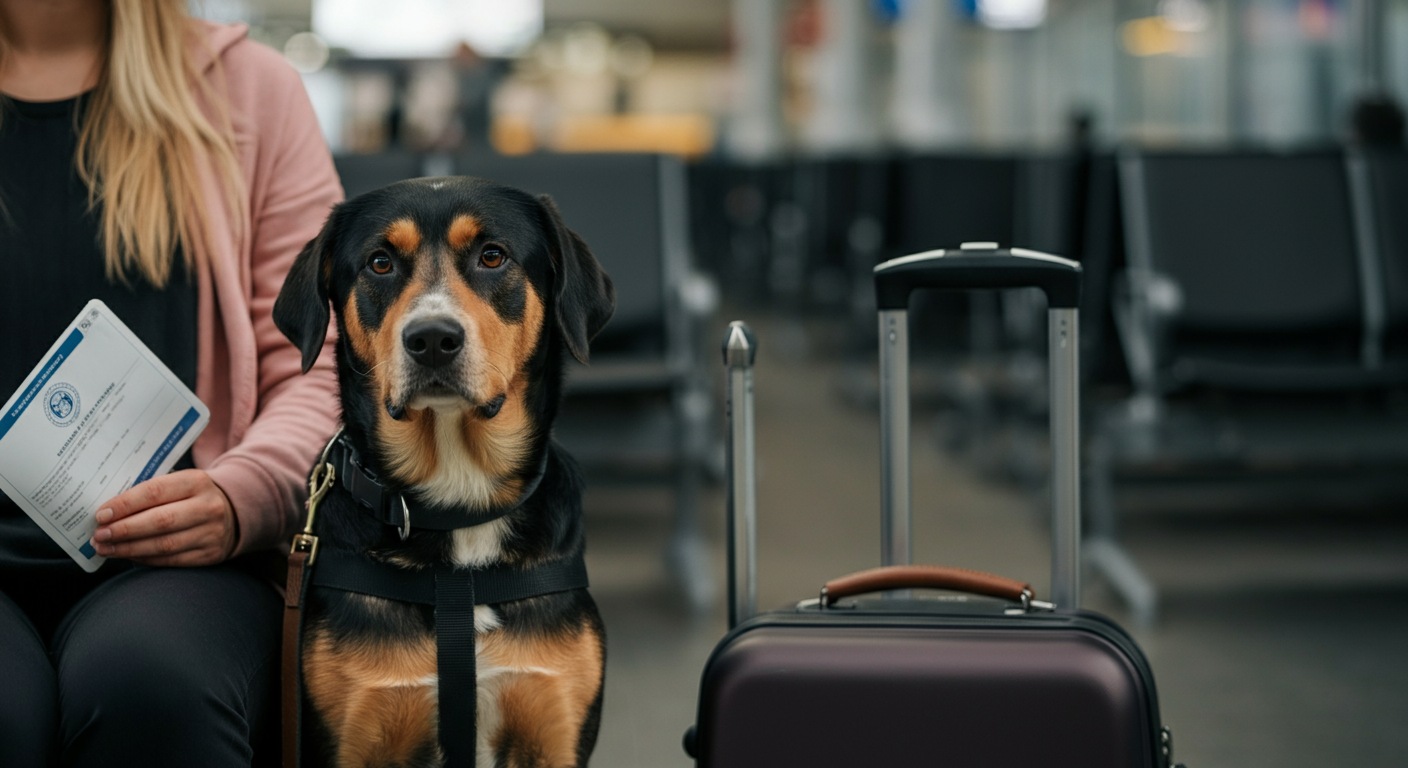
Navigating Air Travel with Your Emotional Support Animal or Psychiatric Service Dog: A Comprehensive Guide
Traveling with your beloved emotional support animal (ESA) or psychiatric service dog (PSD) can be a source of comfort and stability, especially for individuals managing mental health conditions. However, the landscape of air travel regulations for these animals has evolved significantly. Understanding the current rules and ensuring you have the correct documentation is paramount for a stress-free journey.
Emotional Support Animals vs. Psychiatric Service Dogs: Understanding the Distinction
While both ESAs and PSDs provide invaluable support, their legal classifications and the protections they receive under federal law, particularly concerning air travel, differ. An Emotional Support Animal provides comfort just by its presence and is not trained to perform specific tasks. A Psychiatric Service Dog, on the other hand, is specifically trained to perform tasks directly related to an individual's psychiatric disability. This distinction is crucial for air travel.
The Evolving Landscape of Airline Regulations
In recent years, major airlines have revised their policies regarding emotional support animals. The Department of Transportation (DOT) now recognizes only trained service animals, including psychiatric service dogs, as service animals. This means that airlines are no longer required to accommodate emotional support animals in the cabin free of charge, as they once were. Most airlines now treat ESAs as regular pets, subject to pet fees and carrier requirements.
However, Psychiatric Service Dogs continue to be protected under the Air Carrier Access Act (ACAA). Airlines must permit a qualified individual with a disability to travel with their PSD in the cabin, provided certain conditions are met.
Essential Documentation for Your Psychiatric Service Dog
For psychiatric service dogs, airlines typically require passengers to complete and submit a U.S. Department of Transportation (DOT) Service Animal Air Transportation Form. This form attests to the animal's training, health, and behavior, and the passenger's disability and need for the service animal. Some airlines may also request a veterinary health form or proof of vaccination. It is critical to:
- Complete the DOT Form: Fill out the official DOT Service Animal Air Transportation Form accurately and completely.
- Provide Veterinary Records: Have up-to-date vaccination records and a health certificate from your veterinarian.
- Understand Airline-Specific Requirements: While the DOT form is standard, individual airlines may have additional requirements or preferred submission timelines. Always check your chosen airline's specific policies well in advance of your flight.
For those seeking legitimate documentation and certification for their service animals, Clinical Support Animals specializes in providing the necessary paperwork to ensure compliance with current regulations.
Preparing for a Smooth Journey
Beyond documentation, thoughtful preparation can make a significant difference:
- Notify the Airline: Inform the airline in advance (typically 48 hours) that you will be traveling with a service animal.
- Animal Identification: While not legally required, a vest or harness identifying your animal as a service dog can help avoid misunderstandings.
- Comfort and Care: Ensure your service animal is well-exercised before the flight and has opportunities for relief. Bring any necessary medications, food, and water.
- Behavioral Standards: Your service animal must be well-behaved and under your control at all times. Disruptive behavior can lead to the animal being denied boarding.
Common Misconceptions
It's important to dispel common myths:
- "All emotional support animals fly free": This is no longer generally true under DOT regulations.
- "Any animal can be a service animal": Service animals, including PSDs, must be individually trained to perform tasks for a person with a disability.
Conclusion
Traveling with your psychiatric service dog can be a positive and empowering experience when you are fully prepared. By understanding the regulations, completing the required documentation, and preparing your animal for the journey, you can ensure a smooth and compliant travel experience. Clinical Support Animals is here to assist you in navigating these requirements, providing the professional documentation you need for peace of mind.