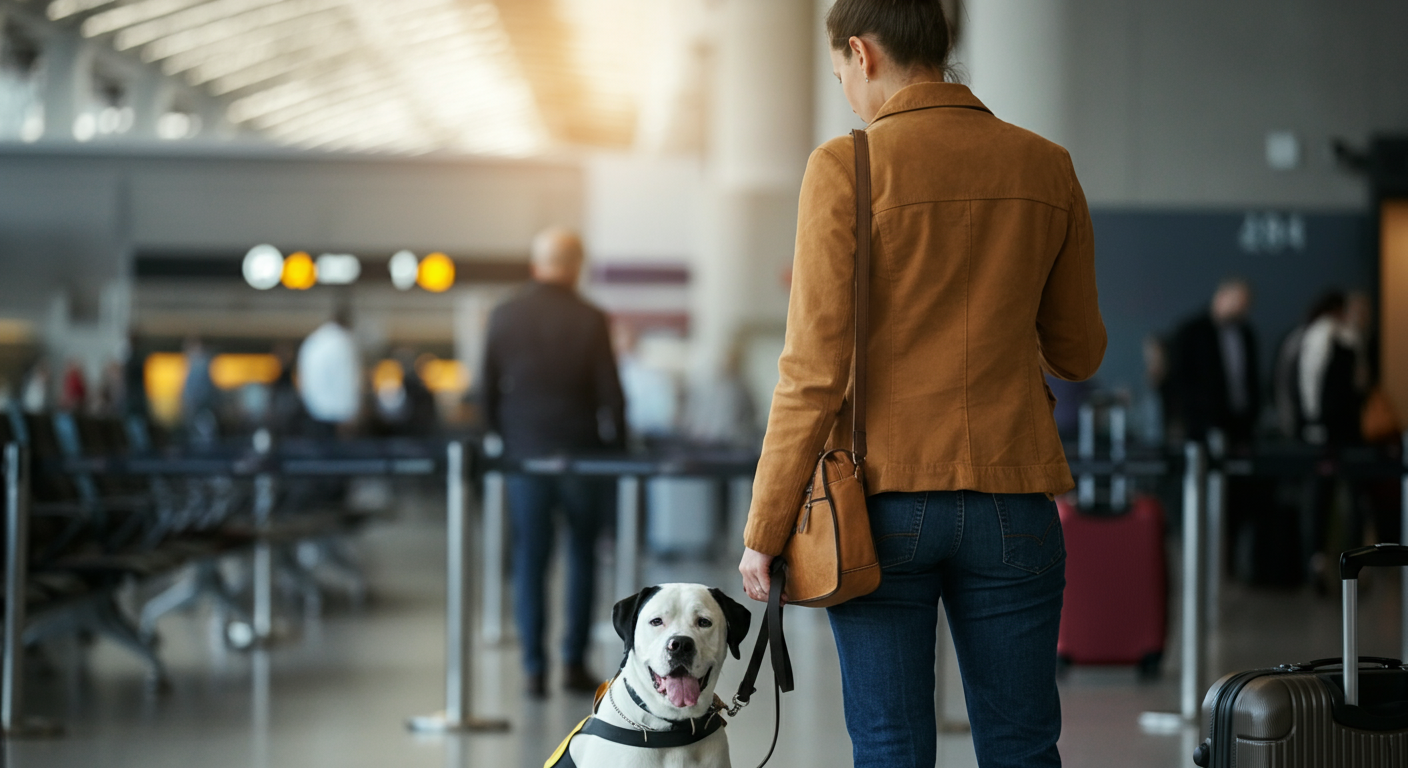
Traveling with a clinical support animal can be a seamless experience, but it requires thorough preparation and a clear understanding of airline policies. Whether you have a Psychiatric Service Dog (PSD) or an Emotional Support Animal (ESA), knowing the regulations is crucial for a stress-free journey. This comprehensive guide will help you navigate the complexities of airline travel with your invaluable companion.
Understanding the Landscape: Service Animals vs. Emotional Support Animals
The landscape for traveling with assistance animals has evolved significantly. The U.S. Department of Transportation (DOT) finalized new rules in 2021, primarily focusing on service animals. Under these rules, airlines are only required to recognize dogs as service animals, specifically Psychiatric Service Dogs (PSDs) and other types of service dogs. Emotional Support Animals (ESAs) are generally no longer considered service animals under the Air Carrier Access Act (ACAA) and are often treated as pets.
- Service Animals (including PSDs): These are dogs individually trained to do work or perform tasks for the benefit of a person with a disability. Airlines must permit service dogs to accompany passengers with disabilities in the cabin, free of charge, provided certain conditions are met.
- Emotional Support Animals (ESAs): While ESAs provide comfort and support through their presence, they are not typically trained to perform specific tasks. Most airlines now treat ESAs as pets, meaning they may be subject to pet fees, size restrictions, and travel in cargo or a carrier under the seat.
It is paramount to understand this distinction as it directly impacts documentation, fees, and travel arrangements.
Essential Documentation for Travel
Even for recognized service animals, airlines may require specific documentation. For PSDs, airlines can require a DOT Service Animal Transportation Form, which attests to the animal's training, behavior, and the passenger's disability-related need for the animal. Some airlines may also require a veterinary health form.
- DOT Service Animal Transportation Form: This form confirms that your service animal has been trained to perform tasks, is well-behaved, and will not pose a direct threat to the health or safety of others.
- Veterinary Health Records: Proof of vaccinations and good health is often required, especially for international travel.
- Mental Health Professional Letter (for PSDs): While not always explicitly required by airlines, having a letter from a licensed mental health professional can further support your need for a PSD, especially if there are any ambiguities.
Always check your specific airline's website well in advance of your travel date, as requirements can vary and are subject to change.
Airline-Specific Policies: Do Your Homework
Each airline has its own set of rules and procedures for traveling with animals. While they must comply with federal regulations regarding service animals, their specific implementation, forms, and timelines can differ. Key areas to investigate include:
- Notification Deadlines: Many airlines require advance notice (e.g., 48 hours) if you are traveling with a service animal.
- Number of Animals: There might be limits on the number of service animals a single passenger can bring.
- Size and Breed Restrictions: While service animals are generally exempt from size restrictions that apply to pets, some airlines may have policies regarding very large service animals if they cannot be accommodated without obstructing aisles or other passengers.
- Seating: Service animals must fit at your feet or under the seat in front of you without encroaching on another passenger's space.
Thoroughly review the "Special Assistance" or "Traveling with Pets/Animals" sections of your chosen airline's website.
Preparing for a Smooth Journey
Preparation is key to a stress-free travel experience for both you and your clinical support animal.
- Identification: While not legally required, a vest or harness that identifies your animal as a service animal can help avoid misunderstandings.
- Behavior Training: Ensure your animal is impeccably behaved in public settings. Airlines can deny boarding to animals that pose a direct threat or cause significant disruption.
- Potty Breaks: Plan for ample potty breaks before and after your flight. Many airports now have designated animal relief areas.
- Packing Essentials: Bring water, a collapsible bowl, waste bags, and any necessary medications.
- Airport Security: Be prepared for security screening. You may be asked to walk through the metal detector with your animal on a leash, or your animal may be screened separately.
Common Challenges and Solutions
- Denial of Boarding: If an airline denies boarding, politely ask for the specific reason and refer to DOT regulations if you believe your rights are being violated. Having all documentation readily accessible is crucial.
- Layover Logistics: Plan layovers with enough time for your animal to relieve itself and stretch.
- International Travel: International travel involves additional complexities, including quarantine laws and specific health certificates for destination countries. Consult the embassy or consulate of your destination country well in advance.
Conclusion
Traveling with your clinical support animal can be a rewarding experience when approached with diligence and preparation. By understanding the distinctions between service animals and ESAs, completing all necessary documentation, and researching airline-specific policies, you can ensure a comfortable and compliant journey for you and your cherished companion.