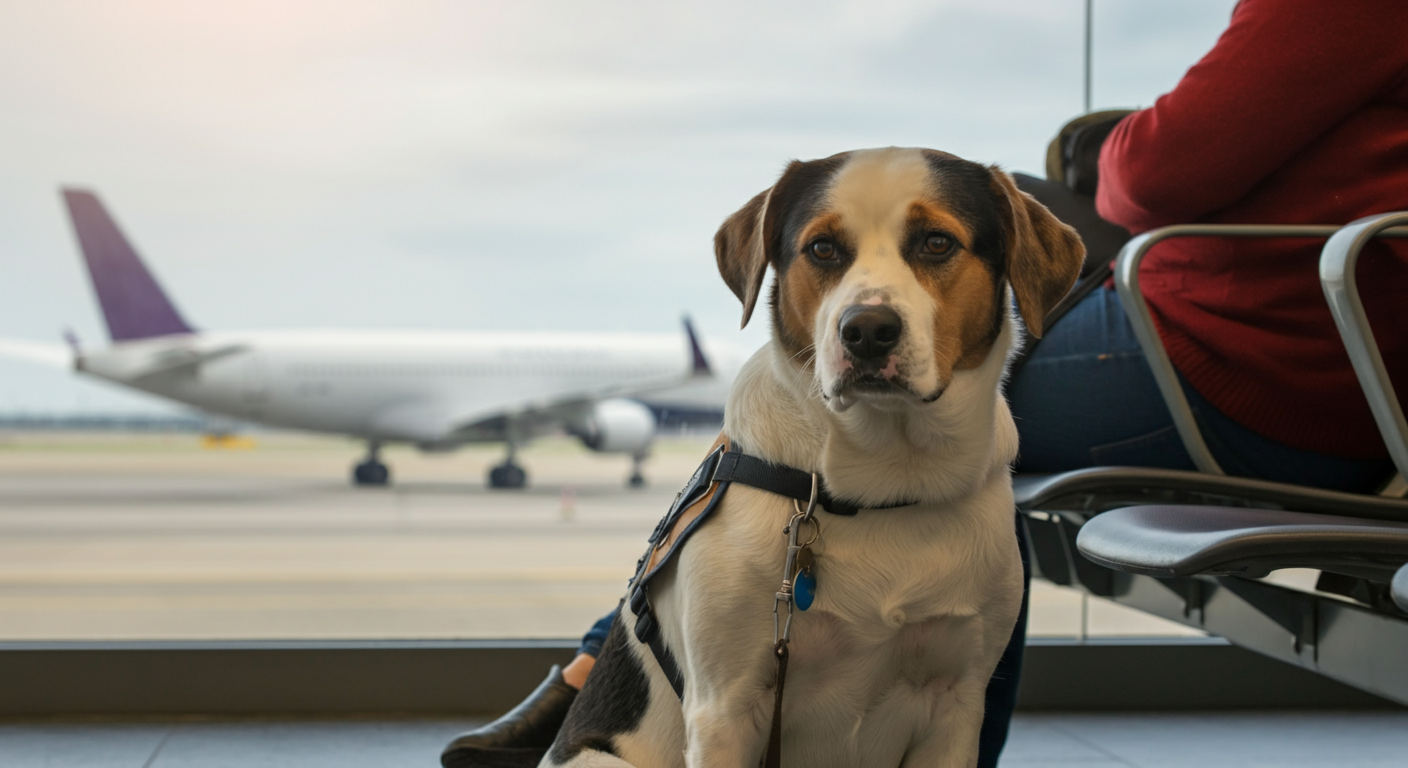
Navigating Air Travel with Your Emotional Support Animal or Psychiatric Service Dog: A Comprehensive Guide
For many individuals, Emotional Support Animals (ESAs) and Psychiatric Service Dogs (PSDs) are more than just pets; they are vital companions that provide comfort, stability, and crucial support for mental and emotional well-being. Traveling, especially by air, can be a source of anxiety for anyone, but for those relying on their support animals, understanding the regulations and preparing adequately is paramount.
At Clinical Support Animals (CSA), we specialize in providing certified documentation for emotional support and service animals, ensuring you have the necessary credentials for a smooth journey. This comprehensive guide will help you navigate the complexities of air travel with your ESA or PSD, empowering you to fly with confidence.
Understanding the Difference: ESA vs. PSD in Air Travel
Before delving into travel specifics, it's crucial to understand the distinction between ESAs and PSDs, particularly as airline policies have evolved.
- Emotional Support Animals (ESAs): Historically, ESAs were permitted to fly in the cabin with their owners under the Air Carrier Access Act (ACAA). However, recent changes by the Department of Transportation (DOT) now allow airlines to treat ESAs as pets, meaning they may be subject to pet fees and size/breed restrictions. This shift emphasizes the importance of checking each airline's specific policy.
- Psychiatric Service Dogs (PSDs): PSDs are specifically trained to perform tasks directly related to an individual's psychiatric disability. Under the updated ACAA, PSDs are recognized as service animals and are generally permitted to fly in the cabin free of charge, provided they meet specific criteria and documentation requirements.
Key Takeaway: The legal landscape for ESAs has changed significantly. While PSDs retain more protections, always verify the latest policies with your chosen airline well in advance of your travel date.
Essential Documentation for Air Travel
Regardless of whether you are traveling with an ESA or a PSD, proper documentation is key to a hassle-free experience. CSA is here to help you obtain the legitimate and legally compliant documentation you need.
For Psychiatric Service Dogs (PSDs):
Airlines typically require the U.S. Department of Transportation (DOT) Service Animal Air Transportation Form. This form attests to the animal's health, training, and behavior, and that it is required for your disability. Some airlines may also request a veterinary health form.
For Emotional Support Animals (ESAs):
While the DOT form is primarily for service animals, some airlines may still request a letter from a licensed mental health professional (LMHP) for ESAs if they choose to accommodate them as pets with special consideration. This letter should state your need for the ESA and that it is part of your treatment plan. However, be prepared for airlines to apply standard pet policies.
CSA's Role: We provide comprehensive evaluations and documentation services to ensure your ESA or PSD meets the necessary criteria, giving you peace of mind.
Choosing Your Airline Wisely
Airline policies regarding ESAs and PSDs can vary significantly. It is imperative to research and understand the specific rules of the airline you plan to fly with. Key points to consider:
- Website Review: Most airlines have dedicated sections on their websites detailing their service animal and pet policies.
- Direct Contact: If anything is unclear, contact the airline's special assistance or reservations department directly. Confirm their requirements for your specific animal.
- Breed and Size Restrictions: Even for PSDs, some airlines may have restrictions on certain breeds or sizes if the animal cannot safely fit at your feet without obstructing the aisle.
- Number of Animals: There might be limits on the number of service animals allowed per passenger.
Preparing Your Support Animal for Travel
A well-prepared animal is a well-behaved traveler. Here are tips to ensure your ESA or PSD is ready for the journey:
- Training and Socialization: Ensure your PSD is impeccably trained and socialized for public environments, including airports and aircraft. For ESAs, basic obedience training is highly recommended.
- Veterinary Check-up: Schedule a vet visit to ensure your animal is healthy and up-to-date on all vaccinations. Obtain a health certificate if required by the airline or destination.
- Identification: While not legally required, a vest or harness identifying your animal as an ESA or PSD can help avoid misunderstandings and facilitate smoother interactions with airport staff and fellow passengers.
- Potty Breaks: Plan for ample potty breaks before and after your flight. Many airports now offer pet relief areas.
- Food and Water: Bring a collapsible bowl and enough food and water for the journey.
- Comfort Items: A favorite toy or blanket can help keep your animal calm during the flight.
During Your Journey: Airport and In-Flight Tips
- Arrive Early: Allow extra time at the airport for check-in, security, and any unexpected situations.
- Security Screening: You may be asked to walk your animal through the metal detector or have it screened separately. Follow TSA guidelines.
- Boarding: Inform the gate agent you are traveling with a support animal. They may offer pre-boarding to help you settle in.
- In-Flight Etiquette: Your animal must remain at your feet or under the seat in front of you without obstructing the aisle. Ensure your animal is calm and does not disturb other passengers.
CSA: Your Partner in Stress-Free Travel
Traveling with an emotional support animal or psychiatric service dog can be a rewarding experience when properly planned. At Clinical Support Animals, we are dedicated to supporting you through every step of the process, from obtaining legitimate documentation to offering guidance on travel regulations.
Don't let the complexities of air travel deter you from bringing your essential companion. Contact CSA today to learn how we can assist you in preparing for your next journey with confidence and peace of mind.