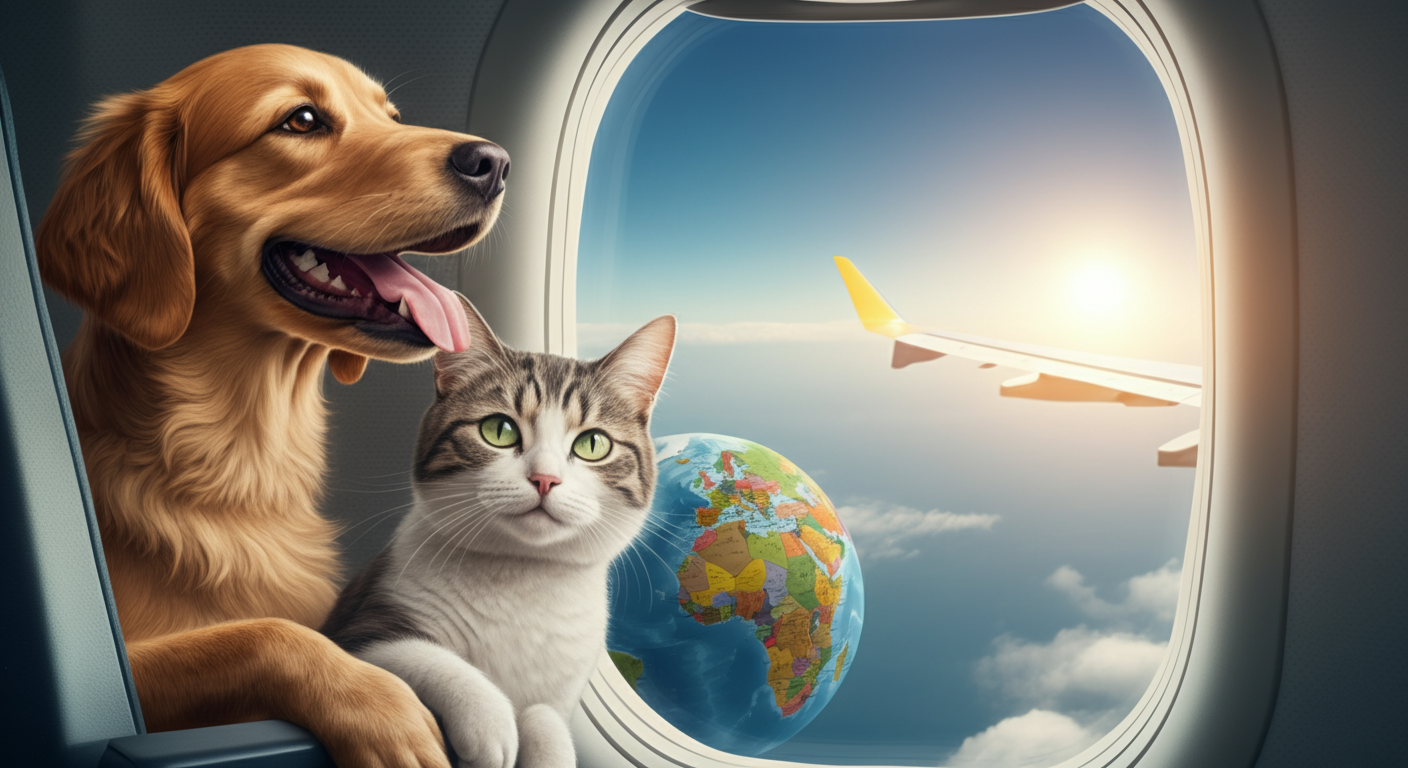
Navigating International Pet Travel: Your Comprehensive Guide to Smooth Journeys
Embarking on an international adventure is exciting, and for many pet owners, the thought of leaving their beloved companions behind is simply not an option. Traveling internationally with your pet can be a rewarding experience, but it requires meticulous planning, understanding complex regulations, and preparing both yourself and your furry friend for the journey ahead. This comprehensive guide will walk you through every essential step to ensure a smooth, safe, and stress-free international travel experience for you and your pet.
The Essential Pre-Travel Checklist: Laying the Groundwork
The success of your international pet travel hinges on thorough preparation. Start planning months in advance, as some processes can take considerable time.
- Microchipping: This is often the first and most crucial step. Most countries require pets to be microchipped with an ISO-compliant 15-digit microchip before any vaccinations or treatments are administered. Ensure your contact information linked to the chip is up-to-date.
- Vaccinations: Rabies vaccination is universally required for international travel. Ensure your pet's rabies vaccine is current and administered after microchipping. Depending on your destination, other vaccinations (e.g., distemper, parvovirus, leptospirosis) may also be mandatory.
- Health Certificates & Endorsements: This is perhaps the most complex part. You'll need an International Health Certificate issued by a USDA-accredited veterinarian (or equivalent in your country) within a specific timeframe (often 10 days) of travel. This certificate must then be endorsed by the USDA (or relevant government authority). Services like PetCerts can help streamline this process, ensuring all documentation meets the strict requirements of your destination country.
- Import Permits & Country-Specific Requirements: Research your destination country's specific import regulations well in advance. Many countries, especially island nations, have strict rules, including mandatory quarantine periods, specific blood tests (e.g., Rabies Titer Test), and import permits that must be obtained before arrival.
- Airline Regulations: Each airline has its own set of rules regarding pet travel. Understand their policies on pet size, breed restrictions, crate requirements, in-cabin vs. cargo travel, and booking procedures.
Understanding Airline Regulations: Cabin vs. Cargo
Your pet's travel experience will largely depend on whether they fly in the cabin with you or in the cargo hold.
- In-Cabin Travel: Small pets (typically those that can fit in a carrier under the seat in front of you) may be allowed in the cabin. There are usually strict weight and size limits, and a fee is always involved. Book early, as airlines limit the number of pets per flight.
- Cargo Travel: Larger pets or those exceeding in-cabin limits will travel in a temperature-controlled, pressurized compartment below the passenger cabin. This requires an IATA-compliant travel crate, which must be large enough for your pet to stand, turn around, and lie down comfortably. Research airline-specific requirements for crate size, ventilation, and labeling.
Preparing Your Pet for the Journey
Beyond the paperwork, preparing your pet emotionally and physically is vital for a smooth journey.
- Crate Training: If your pet will be in a carrier or crate, start crate training well in advance. Make the crate a positive, comfortable space with familiar bedding and toys.
- Vet Check-up: A final vet check-up before travel ensures your pet is healthy and fit to fly. Discuss any concerns, especially for older pets or those with pre-existing conditions.
- Acclimation: Gradually acclimate your pet to longer periods in their carrier. Practice car rides or short trips to get them used to movement and confinement.
- Food and Water: On the day of travel, feed your pet a light meal several hours before departure. Provide water right up to departure, and attach a water dispenser to the crate for cargo travel. Avoid sedatives unless specifically prescribed by your vet, as they can have adverse effects at altitude.
During the Journey and Arrival
Once your travel day arrives, focus on keeping your pet as comfortable as possible.
- Airport Procedures: Arrive early to allow ample time for pet check-in, which can be a lengthy process.
- Comfort Items: Include a familiar blanket or toy in their carrier to provide comfort and reduce anxiety.
- Customs and Quarantine: Upon arrival, you'll need to clear customs with your pet. Have all your documentation readily accessible. If your destination requires quarantine, understand the procedures and duration beforehand.
Conclusion: Adventures Await!
International pet travel is undoubtedly complex, but with diligent planning and attention to detail, it is entirely achievable. The joy of exploring new places with your cherished companion by your side makes all the effort worthwhile. By following this guide and utilizing resources like PetCerts for documentation assistance, you can confidently navigate the complexities and embark on unforgettable adventures with your furry family member.