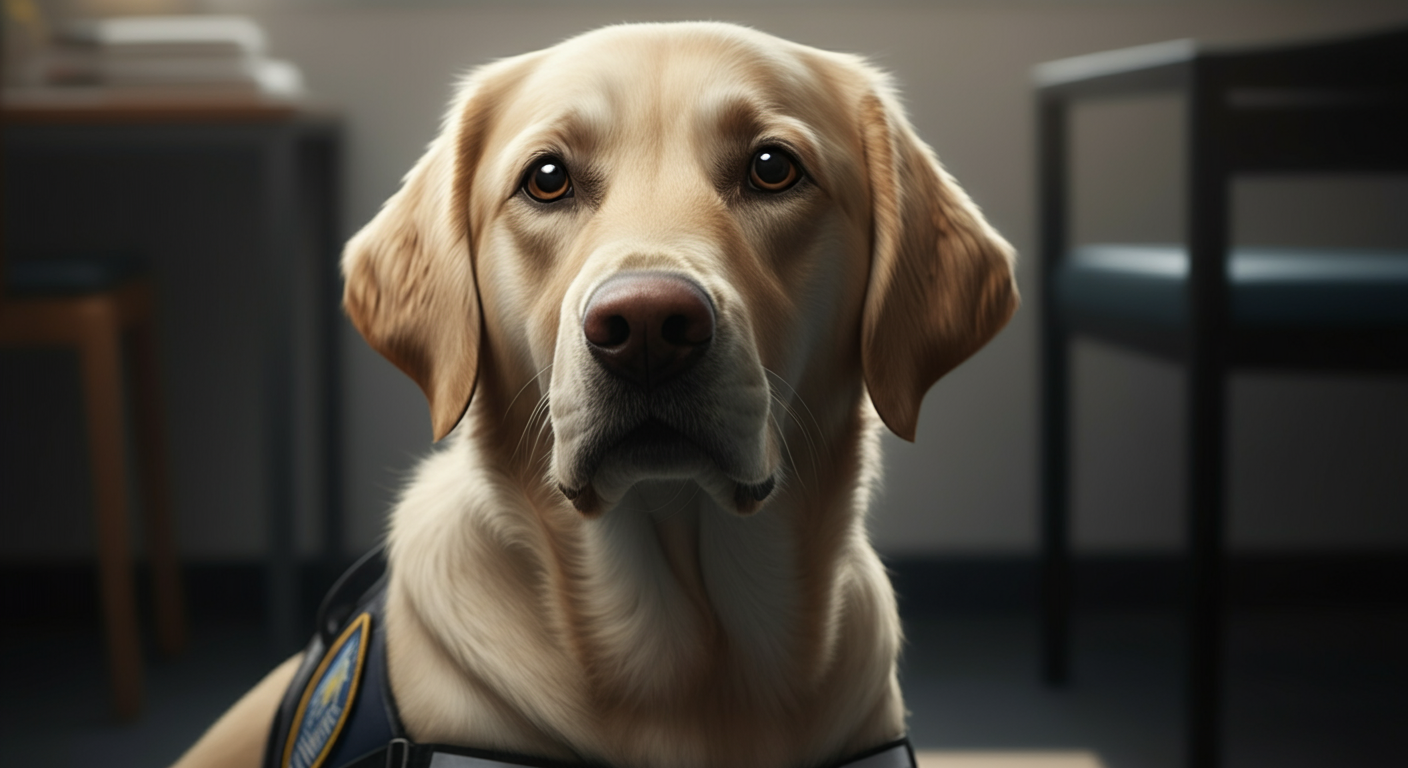
Navigating the path to obtaining a psychiatric service dog (PSD) can be complex, but for many individuals living with mental health disabilities, these specially trained animals offer invaluable support. In 2026, understanding the precise qualification criteria and process is crucial. This guide will walk you through everything you need to know to determine if a PSD is right for you and how to qualify.
Understanding Psychiatric Service Dogs
What is a PSD?
A Psychiatric Service Dog (PSD) is a type of service animal specifically trained to perform tasks that mitigate the effects of a person's psychiatric disability. Unlike emotional support animals, PSDs are recognized under the Americans with Disabilities Act (ADA) and have public access rights. Their training goes beyond providing comfort; they perform specific, trained tasks directly related to their handler's disability.
PSD vs. Emotional Support Animal (ESA)
It's vital to distinguish between a PSD and an Emotional Support Animal (ESA). While both provide comfort, an ESA's primary role is to offer companionship and emotional comfort, and they do not require specialized training to perform tasks. PSDs, however, are individually trained to perform specific work or tasks for the benefit of an individual with a disability. This distinction is critical for legal protections and public access.
Key Qualification Criteria
To qualify for a psychiatric service dog, several key criteria must be met, primarily revolving around the nature of your disability and your need for a service animal's specific tasks.
Diagnosable Mental Health Disability
The foundational requirement is a legitimate, diagnosable mental health disability recognized in the Diagnostic and Statistical Manual of Mental Disorders (DSM-5). This must be confirmed by a licensed mental health professional (LMHP), such as a psychiatrist, psychologist, or therapist. Common conditions that may qualify include severe depression, anxiety disorders, PTSD, bipolar disorder, and schizophrenia, among others. The disability must substantially limit one or more major life activities.
Need for a Service Dog's Tasks
Beyond a diagnosis, there must be a clear, demonstrable need for a service dog to perform specific tasks that directly alleviate symptoms or assist with challenges arising from your disability. These tasks are not about general comfort but are trained behaviors. Examples include:
- Interrupting panic attacks or self-harm behaviors.
- Retrieving medication.
- Providing deep pressure therapy to calm anxiety.
- Guiding a disoriented handler.
- Creating a buffer in crowded spaces.
- Waking a handler from a nightmare.
Ability to Care for a Service Dog
You must also be capable of providing proper care for a service dog, including their feeding, grooming, exercise, and veterinary needs. A service dog is a significant responsibility, and your LMHP will often consider your ability to maintain the dog's welfare as part of the qualification process.
The Qualification Process
Consulting with a Mental Health Professional
The first step is always to consult with a licensed mental health professional who is familiar with your condition and can assess your eligibility for a PSD. They will evaluate whether your disability meets the criteria and if a service dog's tasks would genuinely mitigate your symptoms. If deemed appropriate, they can provide a letter of recommendation for a service animal.
PSD Training Requirements
Once qualified, the dog itself must be trained to perform specific tasks related to your disability. The ADA does not require professional training; you can train your own PSD. However, the dog must be reliably trained to perform tasks and behave appropriately in public. Many choose to work with professional trainers specializing in service dog training to ensure the dog meets the high standards required for public access.
Key Takeaways
- PSDs are distinct from ESAs, performing specific tasks to mitigate a disability.
- A diagnosable mental health disability, confirmed by an LMHP, is essential.
- The dog must be trained to perform specific tasks directly related to your disability.
- You must be able to properly care for the service dog.
- Consultation with an LMHP is the critical first step in the qualification process.
FAQ
Q: Can I train my own psychiatric service dog?
A: Yes, the ADA allows individuals to train their own service dogs. However, the dog must be trained to perform specific tasks and behave appropriately in public settings.
Q: What tasks can a psychiatric service dog perform?
A: Tasks vary widely depending on the individual's disability but can include deep pressure therapy, interrupting self-harm, retrieving medication, guiding during disorientation, and creating personal space.
Q: Is a letter from my doctor enough to qualify?
A: A letter from a licensed mental health professional is a crucial component, but qualification also depends on the dog being trained to perform specific tasks that mitigate your disability, not just providing comfort.