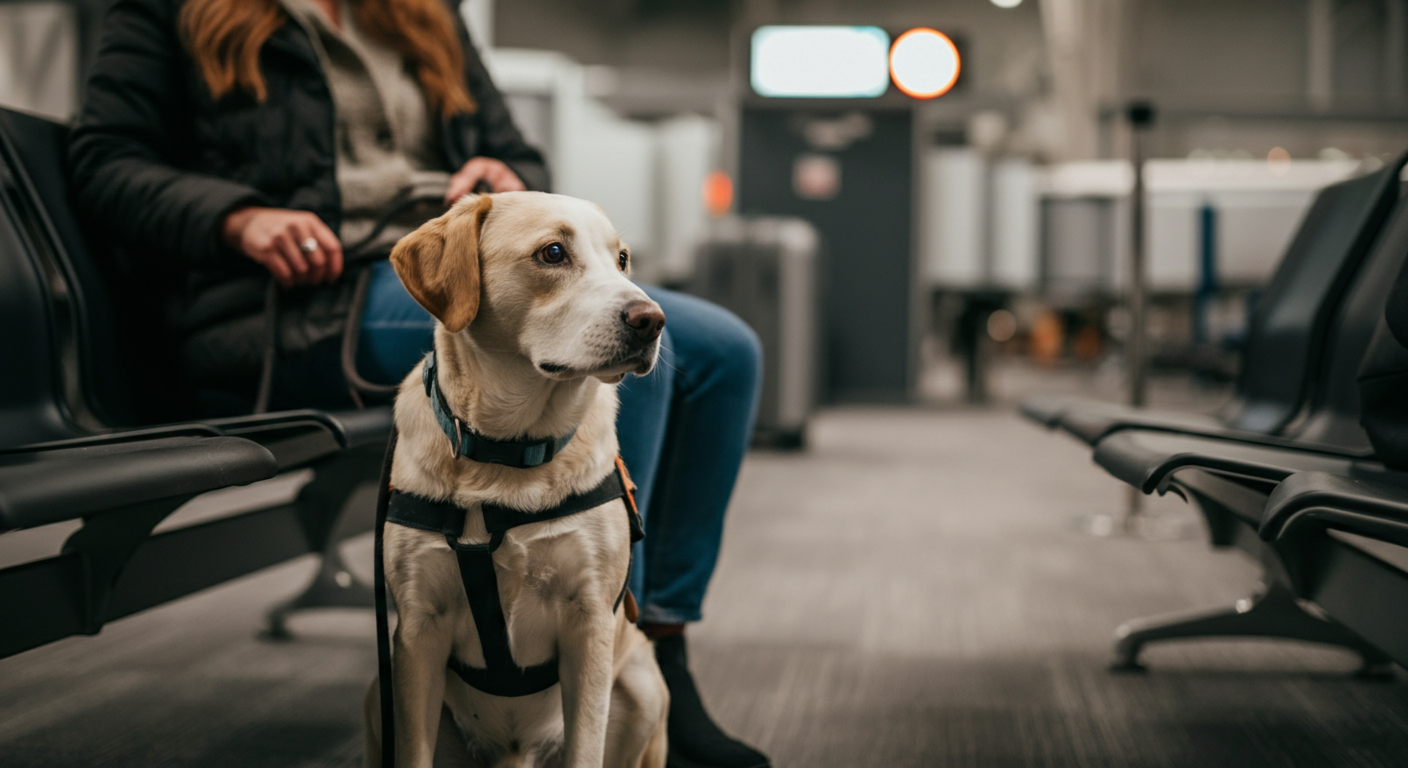
Flying with an Emotional Support Animal: Your Comprehensive Guide to Airline Policies
Traveling with an emotional support animal (ESA) can be a comforting experience, providing much-needed companionship and stability during your journey. However, navigating the ever-evolving landscape of airline policies for ESAs can be complex. This comprehensive guide is designed to help you understand the regulations, prepare your documentation, and ensure a smooth, stress-free travel experience for both you and your beloved ESA.
Understanding the Shifting Landscape of ESA Airline Policies
It's crucial to understand that airline policies regarding emotional support animals have undergone significant changes in recent years. The Department of Transportation (DOT) revised its Air Carrier Access Act (ACAA) rules, distinguishing between service animals and emotional support animals. Under the new regulations, airlines are no longer required to recognize emotional support animals as service animals, meaning they can treat ESAs as regular pets.
This shift has led many airlines to update their individual policies. While some airlines may still accommodate ESAs under specific conditions, others have ceased to do so, requiring ESAs to travel as pets in cargo or in the cabin (if they meet size and breed restrictions) with associated fees. It is paramount to check with your specific airline well in advance of your travel date.
Key Steps to Prepare for Travel with Your ESA
1. Verify Your Airline's Current ESA Policy
This is the most critical first step. Visit your airline's official website or contact their customer service directly. Look for sections on "Special Assistance," "Traveling with Pets," or "Service Animals." Pay close attention to:
- Whether they still accept ESAs.
- Specific breed or size restrictions.
- Any required documentation (e.g., veterinary health forms, behavioral attestations).
- Fees associated with traveling with an ESA (if treated as a pet).
- Requirements for carriers or crates.
2. Gather Necessary Documentation
Even if your airline treats your ESA as a pet, having comprehensive documentation is always a good idea. This may include:
- Veterinary Health Certificate: A recent certificate from your veterinarian stating your animal is healthy and fit for travel.
- Vaccination Records: Proof of up-to-date vaccinations, especially rabies.
- ESA Letter (if applicable): While no longer mandated by the DOT for ESAs, some airlines might still request a letter from a licensed mental health professional (LMHP) stating your need for an ESA. Ensure this letter is current and on official letterhead.
- Behavioral Attestation: Some airlines might require you to attest that your animal is well-behaved and will not pose a threat to other passengers.
3. Prepare Your ESA for Travel
A comfortable and well-behaved ESA makes for a smoother journey. Consider these tips:
- Familiarize with Carrier: If your ESA will be in a carrier, ensure they are comfortable and accustomed to it before travel.
- Potty Breaks: Provide ample opportunities for your ESA to relieve themselves before entering the airport and before boarding the plane. Many airports now have designated pet relief areas.
- Exercise: A tired ESA is a calm ESA. Ensure your animal gets sufficient exercise before heading to the airport.
- Food and Water: Bring a portable water bowl and a small amount of food. Offer water sparingly during the flight to minimize the need for relief.
- Identification: Ensure your ESA wears proper identification tags with your contact information.
4. Understand Airport Procedures
Be prepared for security checks. Your ESA may need to walk through the metal detector with you, or you might be asked to carry them through. Their carrier will go through the X-ray machine. Follow TSA guidelines and airport staff instructions.
Specific Airline Considerations (General Advice)
While policies vary, here's what you might generally expect from major airlines:
- American Airlines: Typically treats ESAs as pets, requiring them to meet pet travel requirements and fees.
- Delta Airlines: Similar to American, ESAs are generally treated as pets. (Refer to our detailed guide on Delta Airlines Pet Policy for more information).
- United Airlines: Also largely aligns with treating ESAs as pets. (See our guide on United Airlines Pet Policy for specifics).
- Southwest Airlines: Generally accepts small vaccinated domestic cats and dogs in the cabin for a fee, but ESAs are treated as pets.
Always, always confirm directly with your chosen airline.
Service Animals vs. Emotional Support Animals: A Clarification
It's vital to distinguish between service animals and emotional support animals. A service animal is specifically trained to perform tasks for the benefit of an individual with a disability. Under the ACAA, airlines are still required to accommodate legitimate service animals in the cabin, free of charge, provided proper documentation and behavior standards are met. ESAs, while providing therapeutic benefits, are not trained to perform specific tasks and are therefore not afforded the same protections under current DOT regulations.
Conclusion
Traveling with your emotional support animal requires careful planning and adherence to airline regulations. By staying informed, preparing thoroughly, and communicating with your airline, you can ensure a safer and more enjoyable journey for both you and your cherished companion. Always prioritize your animal's well-being and be respectful of fellow passengers and airline staff.