Navigating Air Travel with Your Emotional Support Animal or Service Dog: A Comprehensive Guide
Traveling with an emotional support animal (ESA) or service dog can be a source of comfort and independence for many. However, understanding the evolving landscape of airline regulations and documentation requirements is crucial for a smooth journey. Clinical Support Animals (CSA) is here to demystify the process, ensuring you and your animal companion can travel with confidence.
The Evolving Landscape of Air Travel Regulations for ESAs and Service Dogs
In recent years, the rules governing air travel with assistance animals have undergone significant changes. The Department of Transportation (DOT) revised its Air Carrier Access Act (ACAA) regulations, primarily impacting emotional support animals. It's more important than ever to understand the distinctions and requirements.
Emotional Support Animals vs. Service Dogs: What's the Difference for Air Travel?
The DOT's final rule on traveling with service animals defines a service animal as a dog, regardless of breed or type, that is individually trained to do work or perform tasks for the benefit of a qualified individual with a disability, including a physical, sensory, psychiatric, intellectual, or other mental disability. Airlines are generally required to permit service dogs to accompany passengers with disabilities in the cabin.
Emotional support animals, while providing therapeutic benefits, are no longer considered service animals under the ACAA. This means airlines are not required to accommodate ESAs in the cabin free of charge, and they may be treated as pets, subject to pet fees and carrier requirements. However, many airlines still have policies for ESAs, often requiring specific documentation from a licensed mental health professional.
Key Documentation for Emotional Support Animal Travel
For those traveling with an emotional support animal, proper documentation remains paramount. While airlines have more discretion, a legitimate ESA letter from a licensed mental health professional (LMHP) is often requested. This letter should:
- Be on the LMHP's official letterhead.
- State that you have a diagnosed mental or emotional disability recognized in the Diagnostic and Statistical Manual of Mental Disorders (DSM-5).
- Affirm that the ESA is necessary for your mental health.
- Indicate that the LMHP is licensed and provide their license number, state of issuance, and date.
Clinical Support Animals specializes in providing certified emotional support and service animal documentation that meets these stringent requirements, helping you navigate airline policies effectively.
Preparing for Your Journey: Tips for a Stress-Free Experience
Even with the right documentation, preparation is key for a smooth travel experience with your assistance animal.
- Contact Your Airline Early: Always check your specific airline's most current policy well in advance of your travel date. Policies can vary and change.
- Veterinary Check-up: Ensure your animal is healthy and up-to-date on all vaccinations. Carry their vaccination records.
- Identification: While not legally required for ESAs, having a vest or tag identifying your animal as an ESA or service dog can help with public understanding.
- Potty Breaks: Plan for ample potty breaks before and after your flight. Many airports now have designated animal relief areas.
- Comfort and Behavior: Ensure your animal is well-behaved and can remain calm in public, crowded, and noisy environments.
- Pack Essentials: Bring food, water, bowls, waste bags, and any necessary medications for your animal.
The Airport and In-Flight Experience
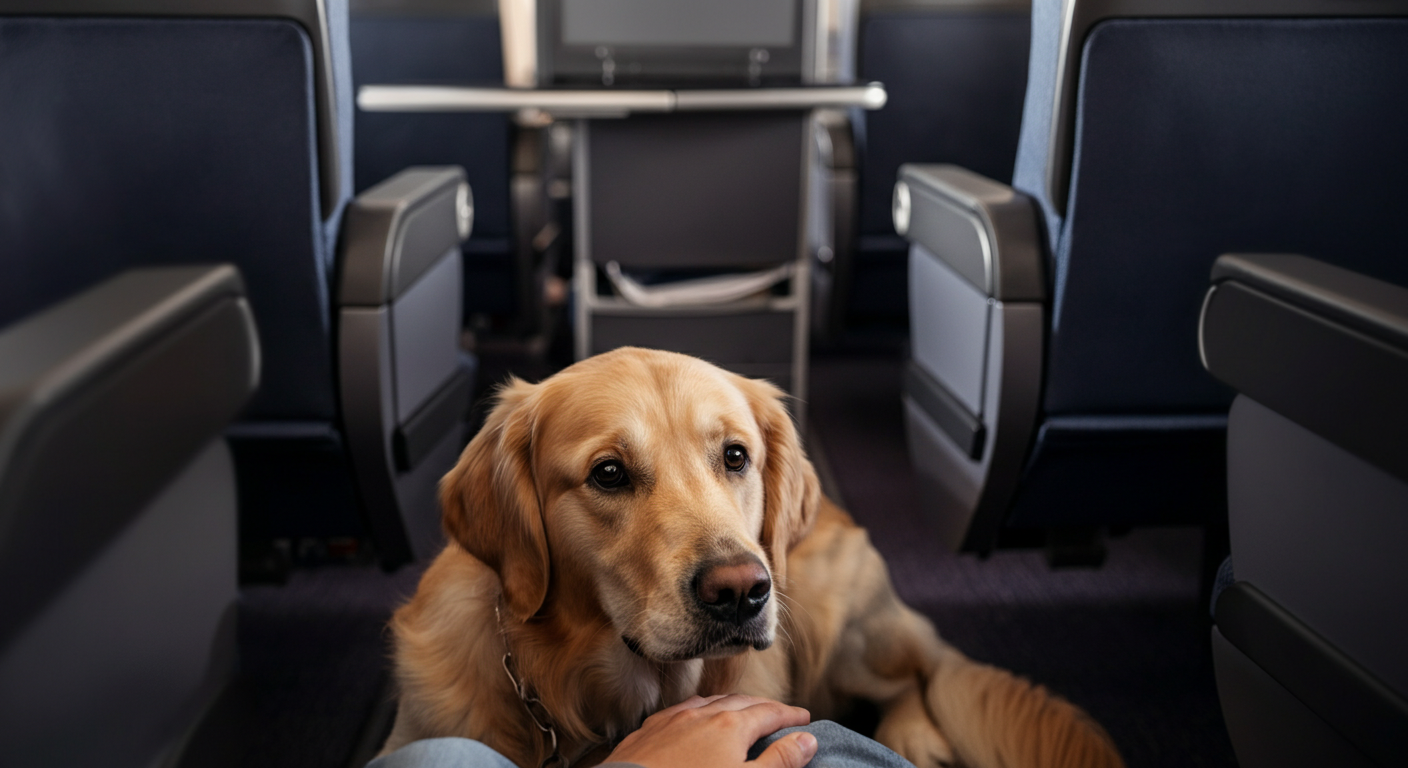
At the airport, be prepared to present your documentation upon request. Security screening procedures for animals vary, but generally, your animal will need to walk through the metal detector with you or be carried through. During the flight, your service dog or ESA must fit at your feet or under the seat in front of you without obstructing the aisle or another passenger's space. They should not occupy a seat.
Why Choose Clinical Support Animals for Your Documentation?
At Clinical Support Animals, we understand the profound bond between individuals and their assistance animals. Our team of licensed professionals is dedicated to providing legitimate, compliant, and recognized documentation for emotional support animals and service dogs. We ensure that your documentation adheres to the latest federal guidelines, giving you peace of mind when planning your travels.
Don't let confusion about airline policies deter you from traveling with your essential companion. Trust CSA to provide the expert guidance and documentation you need for a seamless journey.