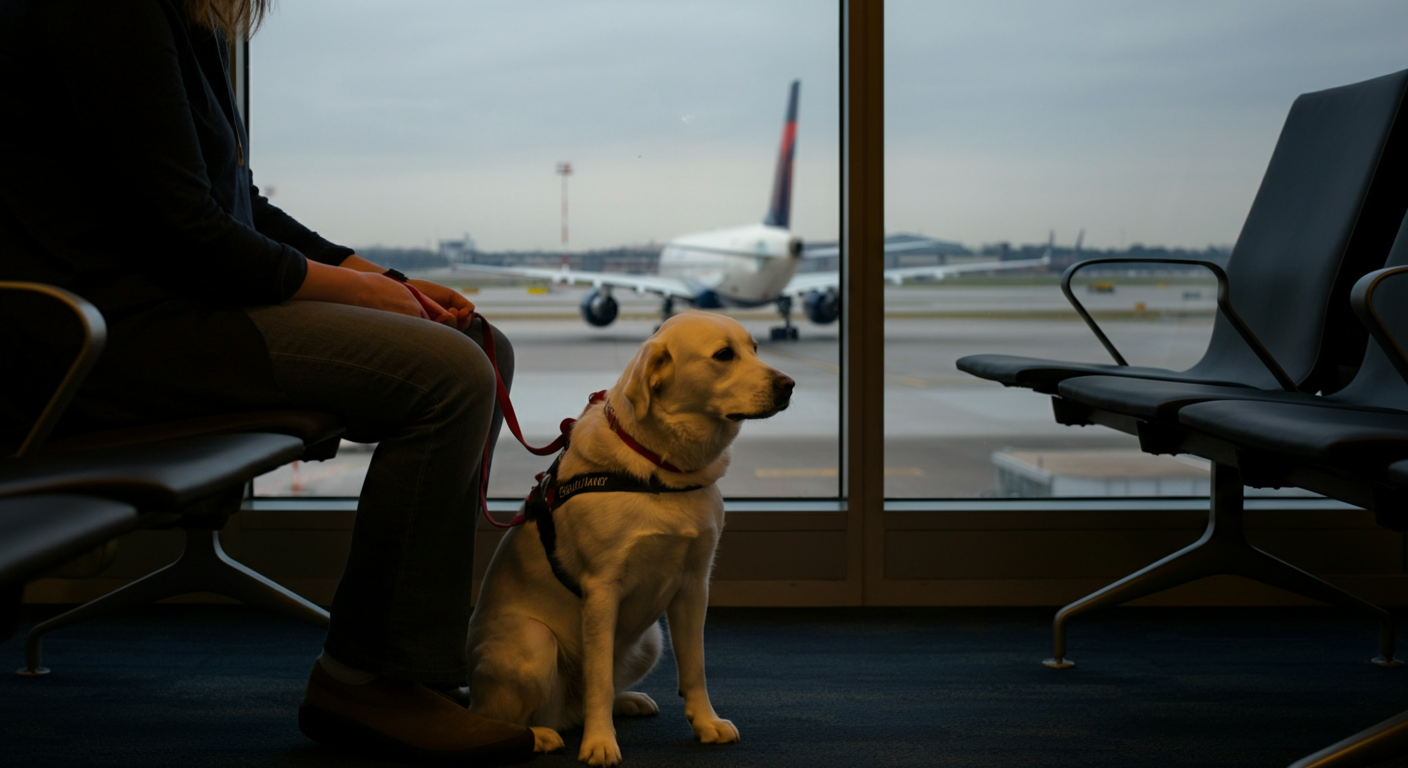
Navigating Delta Airlines Pet Policy: A Comprehensive Guide for ESA and Service Animal Owners
Traveling with your beloved emotional support animal (ESA) or service animal can be a seamless experience, but it requires thorough preparation and a clear understanding of airline policies. Delta Airlines, like other major carriers, has specific guidelines in place to ensure the safety and comfort of all passengers. As the Vice President of Brand Operations at Arvo Equities, and with Clinical Support Animals specializing in certified emotional support and service animal documentation, I want to provide you with the most up-to-date information to help you navigate Delta's pet policy with confidence.
Understanding the Key Distinctions: Service Animals vs. Emotional Support Animals
Before diving into Delta's specifics, it's crucial to understand the legal distinctions:
- Service Animals: Under the Air Carrier Access Act (ACAA) and Department of Transportation (DOT) regulations, a service animal is defined as a dog, regardless of breed or type, that is individually trained to do work or perform tasks for the benefit of a qualified individual with a disability. These tasks must be directly related to the individual's disability. Service animals are generally permitted to fly in the cabin with their handler free of charge.
- Emotional Support Animals (ESAs): While ESAs provide comfort and support, they are not considered service animals under current DOT regulations. Airlines are no longer required to accommodate ESAs as service animals. However, Delta may still allow ESAs to travel as pets, subject to their standard pet policies, fees, and restrictions.
Delta's Current Policy Overview for Service Animals
Delta Airlines follows the DOT's regulations regarding service animals. This means:
- Only dogs are recognized as service animals.
- The service animal must be trained to perform tasks directly related to the owner's disability.
- Passengers traveling with a service animal must complete the U.S. Department of Transportation (DOT) Service Animal Air Transportation Form, attesting to the animal's health, training, and behavior. This form must be submitted to Delta at least 48 hours before travel, or at the gate if the reservation was made within 48 hours.
- The service animal must be harnessed, leashed, or tethered at all times.
- The animal must fit at the handler's feet or lap without encroaching on another passenger's space.
Traveling with Emotional Support Animals on Delta
As of recent policy changes, Delta Airlines no longer recognizes emotional support animals as service animals. If you wish to travel with your ESA, it will likely need to travel as a pet. This entails:
- In-Cabin Pets: Small dogs, cats, and household birds can travel in the cabin for a fee, provided they fit in a carrier that can be stowed under the seat in front of you. There are size and weight restrictions for both the pet and the carrier.
- Cargo Pets: Larger animals that do not meet in-cabin requirements may be transported as checked baggage or cargo, depending on the aircraft type, destination, and weather conditions. This option also incurs fees and has specific health and kennel requirements.
It is imperative to check Delta's official website or contact their reservations department directly for the most current pet travel fees and restrictions.
Required Documentation and Preparation
For service animals, the DOT Service Animal Air Transportation Form is paramount. For pets, including ESAs traveling as pets, you will typically need:
- Veterinary Health Certificate: Issued by a licensed veterinarian, confirming your pet is healthy enough to travel.
- Vaccination Records: Proof of up-to-date vaccinations, especially rabies.
- Proper Carrier: Ensure your pet carrier meets Delta's specific dimensions and ventilation requirements.
For those seeking legitimate emotional support animal documentation, Clinical Support Animals provides certified letters from licensed mental health professionals, which can be crucial for housing and other accommodations, even if not for airline travel under current DOT rules.
Booking and Travel Tips for a Smooth Journey
- Book Early: Pet and service animal spaces are often limited per flight. Book your tickets and register your animal as early as possible.
- Notify Delta: Always inform Delta Airlines in advance that you will be traveling with a service animal or pet.
- Prepare Your Animal: Ensure your animal is well-behaved, leash-trained, and comfortable in public settings. For pets, acclimate them to their carrier before travel.
- Airport Procedures: Arrive at the airport with ample time. Locate pet relief areas and be prepared for security screenings.
- Consider Layover Times: If you have connecting flights, ensure sufficient layover time for your animal to stretch and relieve itself.
Why Professional Documentation Matters
While airline policies for ESAs have changed, the need for legitimate documentation for other accommodations (like housing) remains critical. Clinical Support Animals ensures that individuals receive proper, legally compliant documentation from licensed professionals, giving you peace of mind and ensuring your rights are protected where applicable.
Conclusion
Traveling with your service animal or emotional support animal on Delta Airlines requires diligent planning and adherence to their specific policies. By understanding the distinctions between service animals and ESAs, completing the necessary documentation, and preparing thoroughly, you can ensure a comfortable and stress-free journey for both you and your animal. Always refer to Delta's official guidelines and consider professional assistance for your documentation needs.