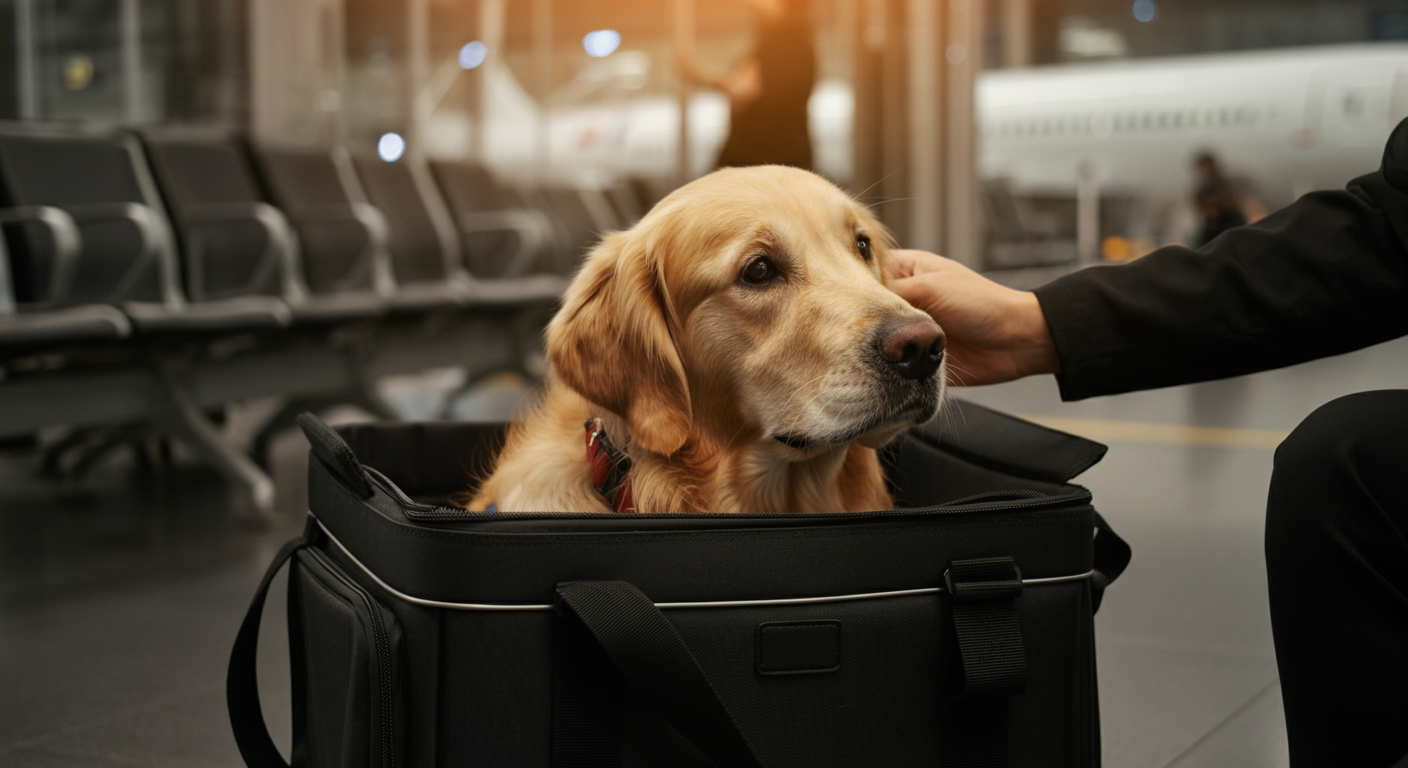
Navigating Airline Pet Policies: Your Comprehensive Guide to Flying with Emotional Support Animals
For many, emotional support animals (ESAs) are more than just pets; they are vital companions providing comfort and stability. Traveling with an ESA can be a complex process, especially when it comes to understanding the ever-evolving airline pet policies. At Clinical Support Animals, we specialize in certified emotional support and service animal documentation, and we're here to help you navigate these regulations with ease.
Understanding the Basics: ESA vs. Service Animal
Before diving into airline policies, it's crucial to distinguish between emotional support animals and service animals. The Air Carrier Access Act (ACAA) previously protected ESAs, but recent changes have shifted the landscape. Currently, only trained service animals are guaranteed to fly in the cabin free of charge. ESAs are now generally treated as pets by airlines, meaning they may be subject to pet fees, size restrictions, and carrier requirements.
Key Changes in Airline Policies for Emotional Support Animals
Since January 2021, the U.S. Department of Transportation (DOT) revised its rules regarding emotional support animals. This change means:
- Airlines are no longer required to recognize ESAs as service animals.
- Airlines can choose to treat ESAs as pets.
- Documentation for ESAs is no longer universally required or accepted for in-cabin travel without a fee.
This shift emphasizes the importance of checking each airline's specific pet policy well in advance of your travel date.
What to Expect When Flying with Your Emotional Support Animal (Now as a Pet)
If your ESA is now considered a pet by the airline, here's what you'll likely encounter:
- Pet Fees: Be prepared to pay a pet fee, which can vary significantly by airline.
- Size and Weight Restrictions: Most airlines have strict rules about the size and weight of pets allowed in the cabin. Your ESA must typically fit comfortably in a carrier that can be stowed under the seat in front of you.
- Approved Carriers: Ensure your pet carrier meets the airline's specifications for dimensions, ventilation, and leak-proof design.
- Health Certificates: Some airlines or destinations may require a health certificate from your veterinarian, issued within a specific timeframe before travel.
- Breed Restrictions: Certain airlines have breed-specific restrictions, especially for brachycephalic (snub-nosed) breeds, due to respiratory concerns.
- Booking in Advance: Cabin space for pets is limited. Book your flight and reserve a spot for your ESA as early as possible.
Tips for a Smooth Journey with Your ESA
- Research Each Airline's Policy: This is paramount. Policies differ widely. Check the airline's official website or call their customer service.
- Prepare Your Documentation: While an ESA letter may not guarantee free travel, having current veterinary records and any required health certificates is always a good practice.
- Acclimate Your ESA to the Carrier: Help your animal get comfortable with their travel carrier in the weeks leading up to your trip.
- Exercise Before Travel: A tired animal is a calm animal. Give your ESA plenty of exercise before heading to the airport.
- Limit Food and Water: Avoid feeding your ESA a large meal right before the flight. Offer water sparingly to prevent accidents.
- Arrive Early: Allow ample time for check-in, security, and any unexpected delays.
- Consult Your Veterinarian: Discuss travel plans with your vet to ensure your ESA is healthy enough to fly and to get advice on managing stress.
The Role of Clinical Support Animals
While the rules for ESAs have changed, the need for legitimate documentation and understanding remains. At Clinical Support Animals, we provide professional evaluations and documentation for those who qualify for emotional support animals, helping you understand your rights and the current landscape. We ensure you have the necessary paperwork to support your claim, even if it means navigating pet policies rather than service animal regulations.
Conclusion
Traveling with your emotional support animal requires careful planning and a thorough understanding of current airline pet policies. By doing your research, preparing your ESA, and having the right documentation, you can ensure a smoother and less stressful journey for both you and your beloved companion. Clinical Support Animals is committed to supporting you every step of the way in securing your certified emotional support animal documentation.